




If you’ve ever felt like your marketing team is super busy but not really getting anywhere, chances are you’re missing one key ingredient: strategy. Ideas and talent might be in place but a clear, long-term plan connects daily activity to business outcomes and yields results.
This is where strategic marketing strategies come in. It’s not just about big-picture thinking or theoretical frameworks. Strategy is the difference between marketing that looks good and marketing that drives growth.
We’ve helped companies across industries move from scattered campaigns to structured brand-building using proven frameworks and creative clarity. Ready to start scaling?
What is Strategic Marketing?
Strategic marketing is the art of aligning long-term business goals with consistent, measurable marketing efforts. It involves deeply understanding your market and building a plan that prioritizes the right channels and the messages that your audience wants to hear.
Unlike tactical marketing (which focuses on specific campaigns or channels), strategic marketing answers bigger questions:
Who are we as a brand?
Who exactly are we speaking to?
What position do we want to own in the market?
How will marketing drive business growth this year, and next?
Are your /X or are they on LinkedIn? Will they respond to video marketing or other forms? At its essence, a marketing strategy plan serves as the roadmap between where your brand is now and where you want it to go. It helps you decide not just what to do, but what not to do. It frees your team from short-term distractions and aligns every effort with long-term impact.
Why Strategy Matters in Branding
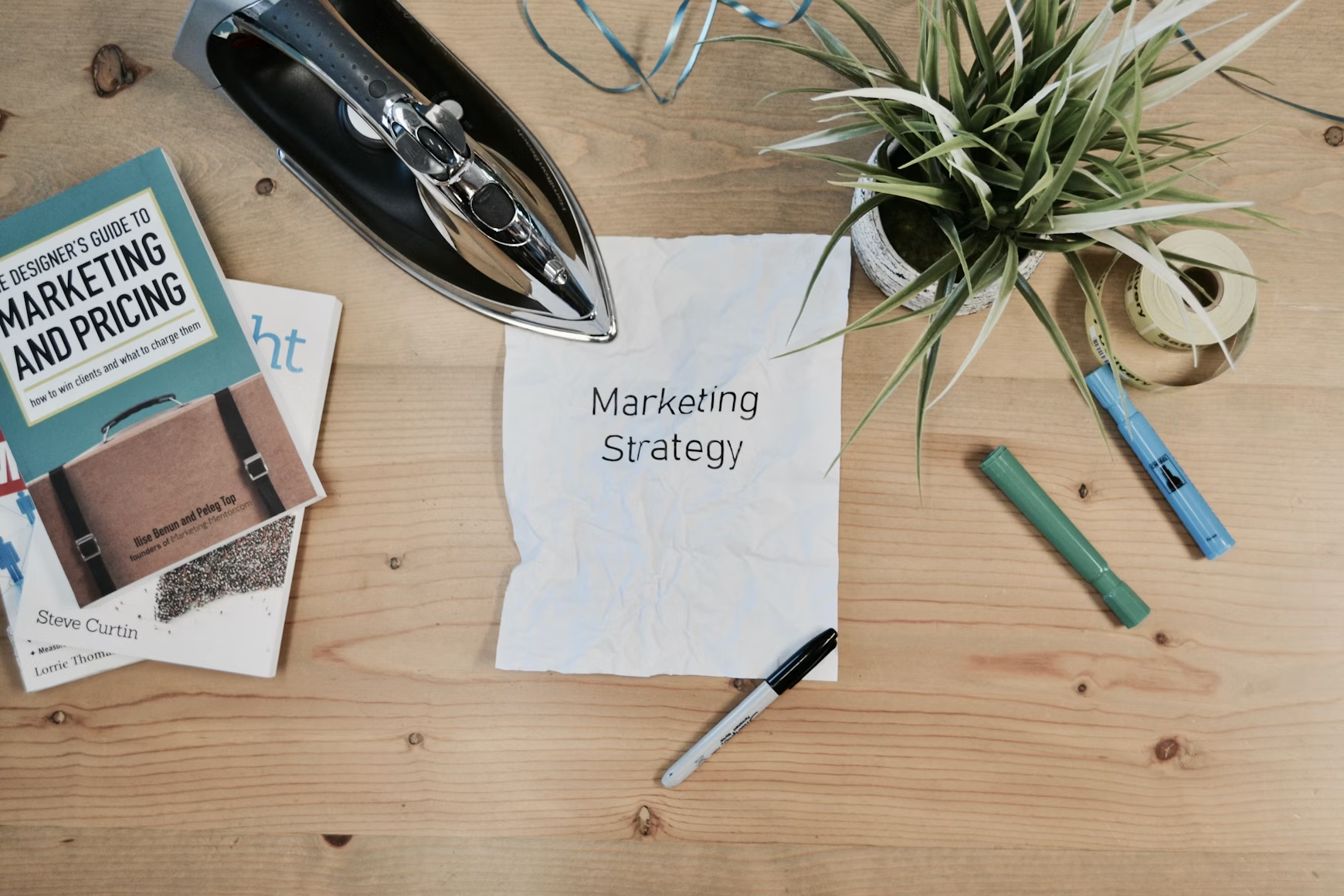
Marketing without strategy is like branding without meaning. You may have a beautiful logo and catchy copy but if they’re not anchored in a larger narrative, they’re easy to forget.
This is where strategic digital marketing becomes a critical advantage. When your brand positioning, content, and performance channels are all moving in the same direction, you don’t just get better results, you build the brand.
Execution on the strategy is crucial.
“Vision without execution is hallucination.” – Thomas Edison
Consistency Builds Trust
Strategic brands sound, look, and act the same across every touchpoint. That consistency tells your audience you’re serious and worth remembering.
Efficiency Saves Budget
When your campaigns follow a strategy, you stop wasting money on ideas that don’t align with your goals. You optimize what works, cut what doesn’t, and plan smarter.
Clarity Supports Scaling
As your team or agency partners grow, a clear strategy makes onboarding easier and execution smoother. Everyone understands the brand’s priorities and works toward the same goals.
At Creative Blend, we don’t separate branding and marketing strategy. We build them together from positioning to execution.
Core Elements of Strategic Planning

So, what goes into building strong digital marketing marketing strategy? While every plan is unique to the brand, we’ve found that successful strategies share these core components:
1. Brand Positioning
Everything starts here. Who are you? Who are you not? What space do you own in your audience’s mind? A clear position informs every campaign and visual assets. It informs the wording used on adverts and a variety of other factors that brands need to think about if they are going to be successful.
2. SWOT and Competitive Analysis
Before you make big moves, you need context. What are your strengths, weaknesses, opportunities, and threats. That makes up a SWOT analysis. How do they compare to your competitors? This analysis helps you identify gaps to fill or positions to defend.
3. Customer Journey Mapping
You can’t market effectively if you don’t understand how your customers think. Mapping the journey all the way from discovery to action can reveal pain points or show areas of obvious improvement.
Customer journeys can be vastly different for different products and services. It is crucial to fully understand what is happening when customers are evaluating your business.
4. KPIs and Performance Metrics
If you can’t measure it, you can’t improve it. Every strategy needs key performance indicators tied directly to business goals (not vanity metrics). Are you aiming for lead volume? Higher CLTV? Lower CAC? Be specific.
This helps to ensure that everybody understands what represents good results in a campaign and work in the same direction.
5. Channel Prioritization
We see email, SEO, paid ads, influencers…modern options are endless. Strategic planning helps you choose the right mix based on your audience. Some may choose to go with , knowing their audience responds better to those.
6. Campaign Architecture
How will your campaigns unfold over the quarter or year? What are your themes? Which products, audiences, or seasons will you focus on? Good strategy creates rhythm so that you’re not reinventing the wheel every month.
7. Brand Architecture and Message Alignment
Your offers, services, and product lines must make sense under one unified story. If your messaging is fragmented, your marketing will be too.
A truly effective strategic marketing plan pulls all these elements together into a single source of truth. At Creative Blend, we deliver this as a detailed strategy deck that is built in collaboration with your team. This translates directly into action.
Real-World Strategy Examples
With plenty of experience, we can boast some real-world strategy examples that show how we can handle the strategic side of marketing.
We collaborated with the Ministry of Education to launch an impactful "Back to School" .

By being strategically smart about the content that was being created, we were able to hit the right notes and produce content that hit a clear goal – to foster enthusiasm among students and reinforce the commitment to education.
This included developing a full brand identity in both English and Arabic, producing an engaging animation video, and executing a video campaign to promote the excitement of returning to school.
We have plenty of other examples of working on a full strategy with brands. Even from the very earliest stages, we can take the seed of an idea and build a whole marketing plan to launch a product or increase awareness of a service or business.
Ready to hear more about how we can help with your strategic marketing? Get in touch today to talk to a member of our team and explore your project. We can help to put together a strategy that accounts for the specific nature of your business.
How Agencies Help
You don’t need an agency to do marketing. But if you want it to work holistically and scale properly…that’s where agencies shine.
A good agency doesn’t just write content or run ads. It brings strategy and creative clarity into one seamless system.
At Creative Blend, we work as strategic partners. That means we:
Guide you through research, positioning, and goal-setting
Translate business strategy into marketing execution
Build frameworks your team can follow and scale
Bring cross-disciplinary expertise (branding, digital, content, social) into one process
Most importantly, we build with you and not just for you. Because the best strategies aren’t outsourced; they’re co-owned. This helps with buy-in and keeping the strategies effective. Ultimately, it can mean a more effective strategy.
Whether you’re building your first marketing strategy or realigning after a period of growth, a strategic agency ensures your brand isn’t just keeping up and is leading the way.
Final Thoughts
In a world of constant change, the most valuable brands don’t just market, they do so strategically. They know where they’re going, and every post, ad, or campaign moves them closer to it.
If your marketing efforts feel scattered or disconnected from your bigger business goals, it’s time to build a true strategy and not just another campaign that could go either way.
Ready to align your marketing with your vision? Reach out to Creative Blend to explore our strategic marketing packages or book a brand strategy session. Let’s create a plan that turns ideas into results.
FAQ
Q: What is strategic marketing?
A long-term approach that connects business goals with marketing actions — guiding what you do, why you do it, and how you measure success.
Q: How is strategic marketing different from tactical marketing?
Strategy is the plan; tactics are the actions. Strategy sets the direction, while tactics are the tools you use along the way.
Q: How do I create a strategic marketing plan?
Start with positioning, understand your audience, define your goals, choose your channels, and build a timeline or partner with an agency for structure and speed.
Q: What are examples of successful strategies?
Strong strategies often include brand repositioning, new product campaigns with targeted content journeys, or integrated messaging across departments and platforms.
Q: Is a strategy really necessary if I already have campaigns running?
Yes. Without strategy, you may be active but misaligned. A solid strategy ensures every campaign supports the same long-term business goal.