


The world of design is like a magic maze: depending on which subcategory you choose, the maze has many “right” solutions. Some designers work in the world of fashion. Others are led down career paths in architecture or graphics. While the specialties in these sub-disciplines are fairly easy to differentiate, that isn’t the case with Product Design and Industrial Design.
Most people use both terms interchangeably as two sides of one coin. Yet, leaders in the industry know they aren’t. Though both are slightly overlapped, some lines set them apart. Before reaching that deduction, we filtered out the opinions of many experts.
Not all of them think they are different. Yet, the majority of them think they have special characteristics. Here, we unravel this confusion and navigate both terms, so you can make up your mind about which type of designer to choose for your product.
What is industrial Design?
Industrial Design was an outcome of the industrial revolution. Before it, people were making hand-made products without a need for machine intervention. Those products were small, and anyone could create them manually.
Yet, this rapid shift brought many changes. One of them is a boom in factories that led to mass production and injecting high volumes of items into the market. Industrial Design then came into play.
is an umbrella term. It refers to the process of conceptualizing and creating products for massive manufacturing. And it includes many activities that begin with product creation to deliver it to machines that assemble its parts.
Designs in this field should apply to high aesthetic and functional standards. A desirable design has a good look and is optimized to operate efficiently.
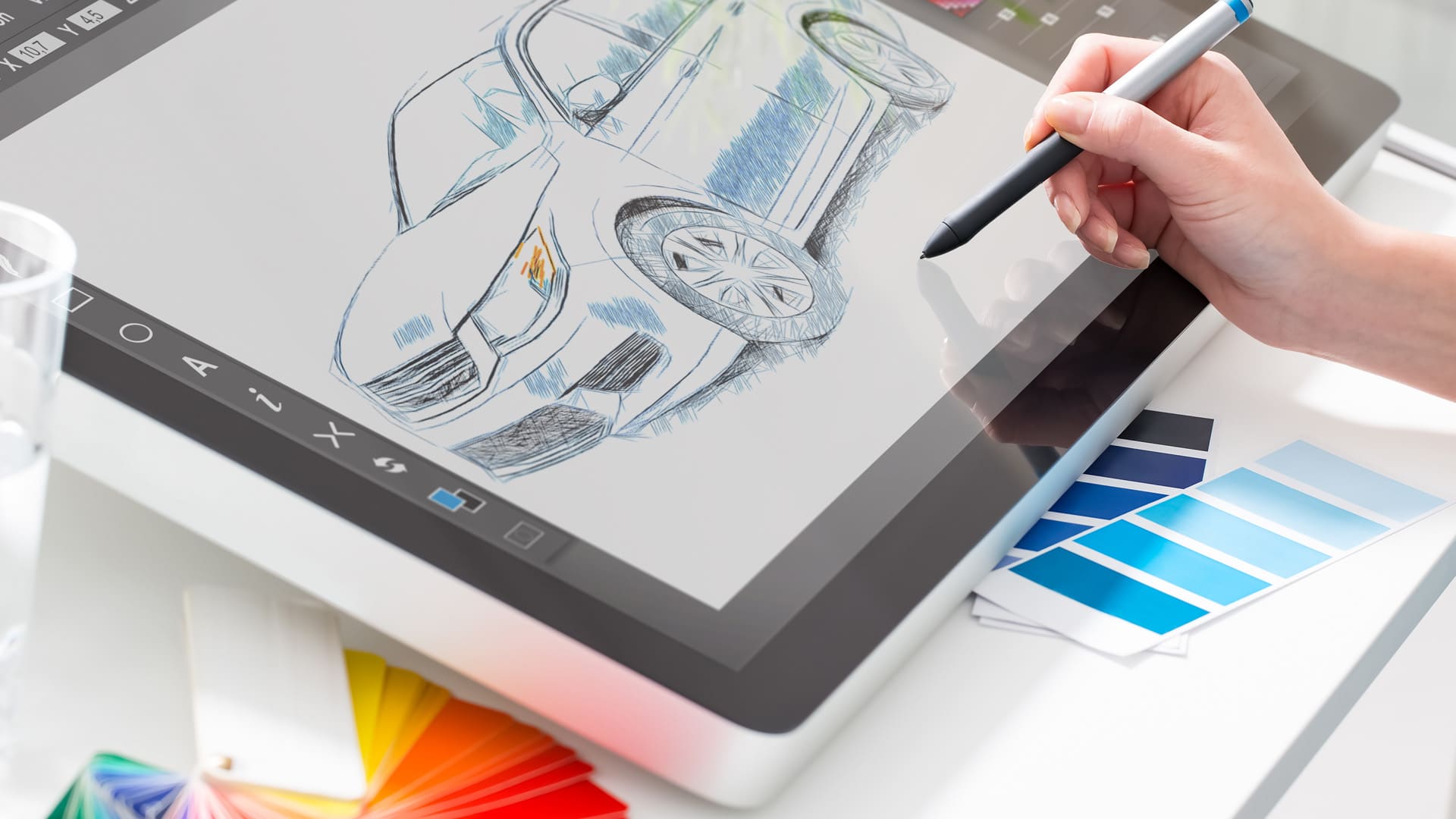
The roles of Industrial Designers:
Design products for large-scale manufacturing, like cars, airplanes, automobiles
Minimize the cost of production
Create products that are aesthetically appealing to end-users, integrating customer’s desires with the manufacturing requirements
What is Product Design?
Triggered by the digital transformation, has emerged as a branch of Industrial Design. It refers to both digital and physical products, everything from Coca-Cola bottles to smartphones.
The definition of Product Design includes the development of a product through three levels:
Conceptualization: reflecting on ideas that address a problem faced by the consumers, like creating a device that prevents the dust from sneaking into houses.
Rendering: the process of using a computer program to produce lifelike or photorealistic images for a 2D or 3D model
Prototyping: converting the digital renderings into actual products ready to be tested. This step is instrumental in evaluating the product quality and rectifying any flaws in it.
The roles of a Product Designer
Explore your customers’ needs and devise innovative solutions
Apply design concepts to turn those solutions into physical products
Test out the final products on end-users for validation
Align the product with business goals and stakeholders’ interests
The difference between Product Design and Industrial Design
Though both are tightly intertwined, four points shed light on the between them.
1. Product type
Product Designers often work on simple, everyday items, while Industrial Designers create complicated products like cars and computers. Yet, in recent years product designs have become more closely related to digital products such as software programs and consulting services, which don't have a physical form.
2. Focus
Product Design focuses on user experience. The designers are obsessed with the customer’s interaction with their objects. To that end, Product Designers educate themselves about the artistic and humanistic aspects of how people interact with products and what makes that experience the most appealing and rewarding. On the other hand, industrial designers think of a product as a single unit of thousands of identical products. They must customize the product for manufacturing on an extended scope. Being aware of the technical aspects of production, business models, and branding is mandatory to make it in this field.
3. Quantity
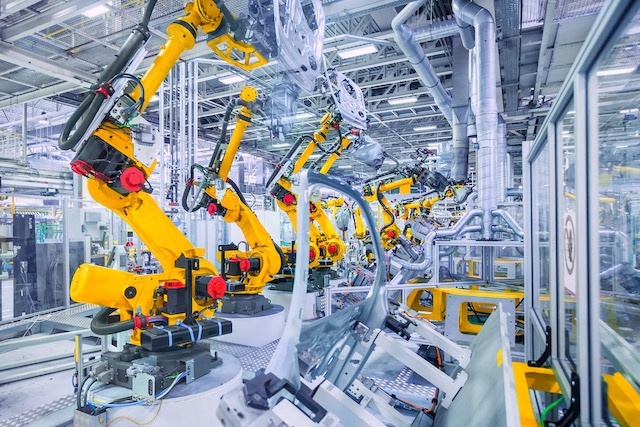
Since product designs aren’t for mass production, they are often created with less attention to their ability to be widely reproduced. It’s the opposite with industrial products. They are generated on a massive scale.
4. Educational courses
It’s hard to list all the institutions or facilities that teach both majors. Here’s a brief about what you can learn when enrolling in such programs.
As an applicant for a Product Design program, you can expect the curriculum to include some primary subjects. Examples are:
Mechanical Systems Design
Manufacturing Technology
Engineering Drawing
Mechanics of Materials
Product Design Methods
Those courses are interrelated. Such a program aims to broaden your knowledge about the mechanism of object creation and the principles of engineering.
If you want to study Industrial Design, colleges of architecture and design typically offer those degrees. Here are some courses expected to exist in this discipline:
Design History
Computer-Aided Industrial Design
Visual Communication
Industrial Design Studio
General Physics
Find samples of students’ samples in the industrial/product design field .
The skills of Industrial/Product Designers
Designers must be passionate about their field, blending ingenuity with the skills it takes to succeed in this arena. If you seek a career in this field, read about the skills required.
1. Sketching
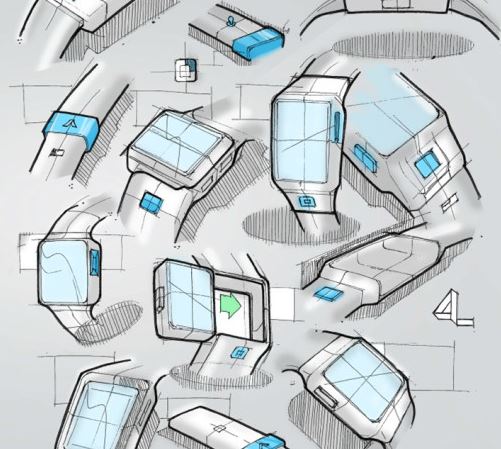
Before settling on a particular design, making some sketches for your product is essential. Sketching facilitates your fleshing out of the original idea. You make several drawings for your product until you reach your ideal one. By using a pencil or a digital tool, you can mock up some helpful initial sketches.
2. 3D modeling
Using computer software, you can digitize ideas into 3D products that capture more details than a sketched draft might do. The programs used in 3D modeling can create a real-life manifestation of the actual product. They also make advanced calculations such as material properties and finite-element-analysis.
3. Digital Prototyping
Digital Prototyping is the process of using a high-tech machine to turn the 3D models into a physical product that has the same degree of accuracy as the digital form. The time consumed in prototyping could vary according to the products’ size and complexity. The outputs can be tested afterward.
4. Manufacturing
Designing products for manufacturing purposes is a key skill. Designers should create their objects guided by the technical principles of production. They should be informed by the recent updates of technology in the field and keep abreast of cost-effective approaches in manufacturing.
Alongside the obvious need for craftsmanship, an outstanding designer should learn some soft skills, such as divergent thinking and aesthetics. Designers should be avid researcher who dig deeply into the problems customers suffer from so that they might successfully engineer solutions.
What about salary?
The salaries of this field vary according to many factors such as experience and skills. A statistic from bls.Gov website shows the lowest 10 percent earned less than $41,860, and the highest 10 percent earned more than $118,440.
How do you hire an Industrial or Product Designer?
Before allocating a job to a certain type of designer, you should know whether you will deliver this product to an end-user or a manufacturer. If the customer receives the product straight away, a product designer is enough to get the job done. When delivering the product to a manufacturer, you should look for a superb industrial engineer who makes sure the product is manufacturer-ready.
In the hiring process, searching for specific titles doesn’t serve your objective. To know if applicants are qualified or not, list the things you are looking for in your product and look for the one most fitted for making it.
Tips for hiring
1. Examine their portfolio
No matter what a candidate claims about their skills, request proof of current projects. Recent work reveals a lot about what the candidate has to offer. Always ask for the portfolio. If a person declines to refer you to his gallery or you notice the works shown there is outdated or of inferior quality, it’s better to go another round.
2. Ask for referrals
A portfolio can tell you about a person’s skillset, but to know if he has a good attitude, you should ask his previous clients. Referrals will give you valuable information. How did the person deal with them? How many revisions did their projects have? And what's the designer's reaction to the requests for further refinements?
3. Ask for a sample project
Eliciting a sample from prospective designers is a commonplace technique in the process of hiring. When you think this person is good, assign the candidate a project. If your hunch is right, what they create or design will become the proof that supports your judgment.

A final thought
Though Product Design and Industrial Design are co-related fields, some subtle lines differentiate them. The best way to tell the difference is to determine the purpose of your product.
If you want to deliver to only a few customers, go for a Product Designer. When you want to make thousands of replications of this product, you hire someone to prepare it for mass production.
Think about what you need the product for, then reach out for an outstanding designer who’ll craft the product. A good designer should combine both soft and hard skills and must be a researcher. An excellent designer will use customers’ needs and expectations as a guiding light and design a product that satisfies those pain points while fulfilling the customers’ dreams.